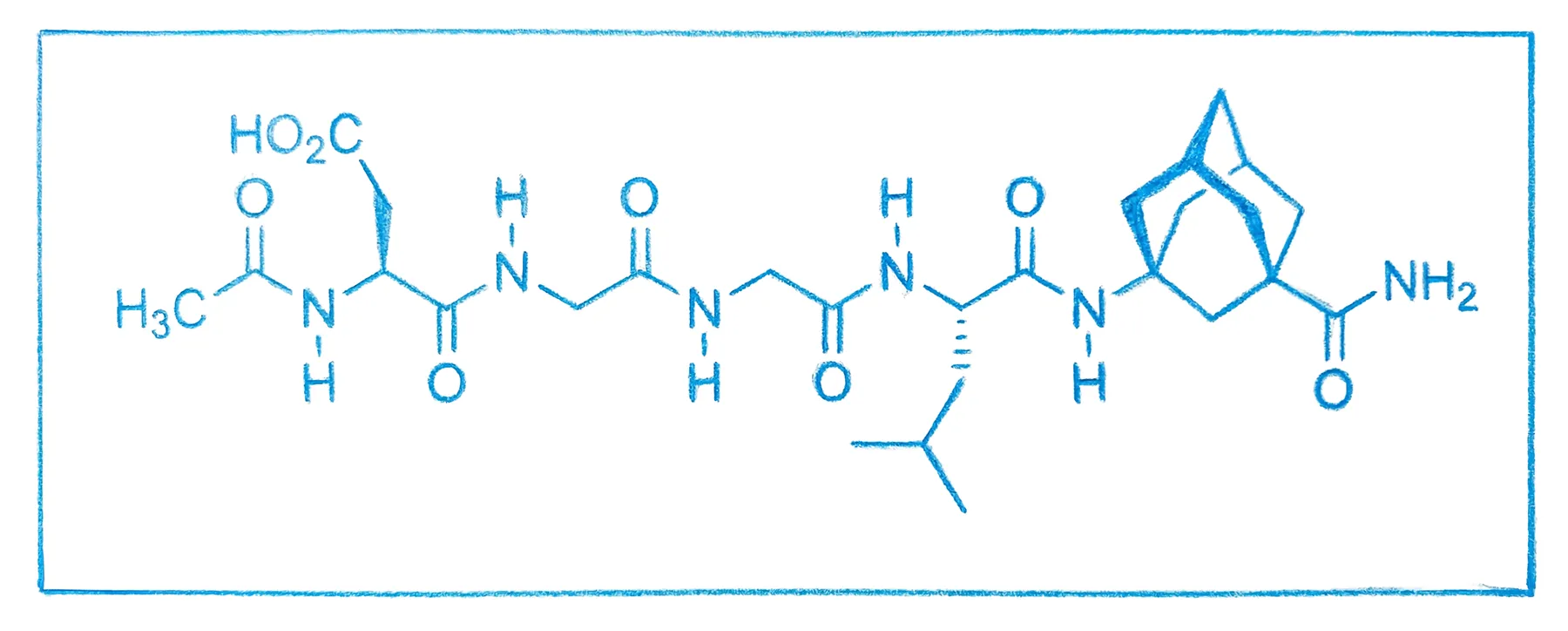






P21, often referred to as P021, is a short synthetic peptide developed for in-vitro and preclinical neuroscience research, particularly in studies focused on neurotrophic signaling and synaptic maintenance. It is best described as a peptidergic modulator of neurotrophic pathways, originally designed to mimic downstream biological activity associated with endogenous neurotrophic factors rather than acting as a direct growth factor itself. Because of its small size and stability, P021 is frequently used as a laboratory tool to explore mechanisms of neuronal resilience and plasticity.
From a mechanistic standpoint, P021 has been shown in experimental models to enhance signaling pathways linked to neuronal survival and synaptic function, most notably those involving brain-derived neurotrophic factor (BDNF) and CREB-related transcription. Rather than binding classical neurotrophin receptors directly, it appears to influence intracellular signaling cascades that support dendritic structure, synapse formation, and memory-associated molecular processes. This indirect modulation makes P021 particularly useful for studying long-term cellular adaptations without the complexity of full-length protein growth factors.
In laboratory settings, P021 is commonly evaluated in cell culture and animal models of neurodegeneration, cognitive decline, and synaptic dysfunction. Researchers use it to examine changes in synaptic protein expression, neurite outgrowth, and learning- or memory-associated biomarkers. Its small molecular size confers relative resistance to enzymatic degradation compared to larger peptides, which is advantageous for controlled experimental exposure and reproducibility in research protocols.
Overall, P021 is regarded as a research-grade neurotrophic peptide analog, valued for its ability to probe neuroplasticity-related pathways in a controlled, reductionist manner. As with similar compounds, it is intended strictly for laboratory research use, providing investigators with a simplified yet biologically relevant means of studying neuroprotective and cognition-related signaling mechanisms at the molecular and cellular level.