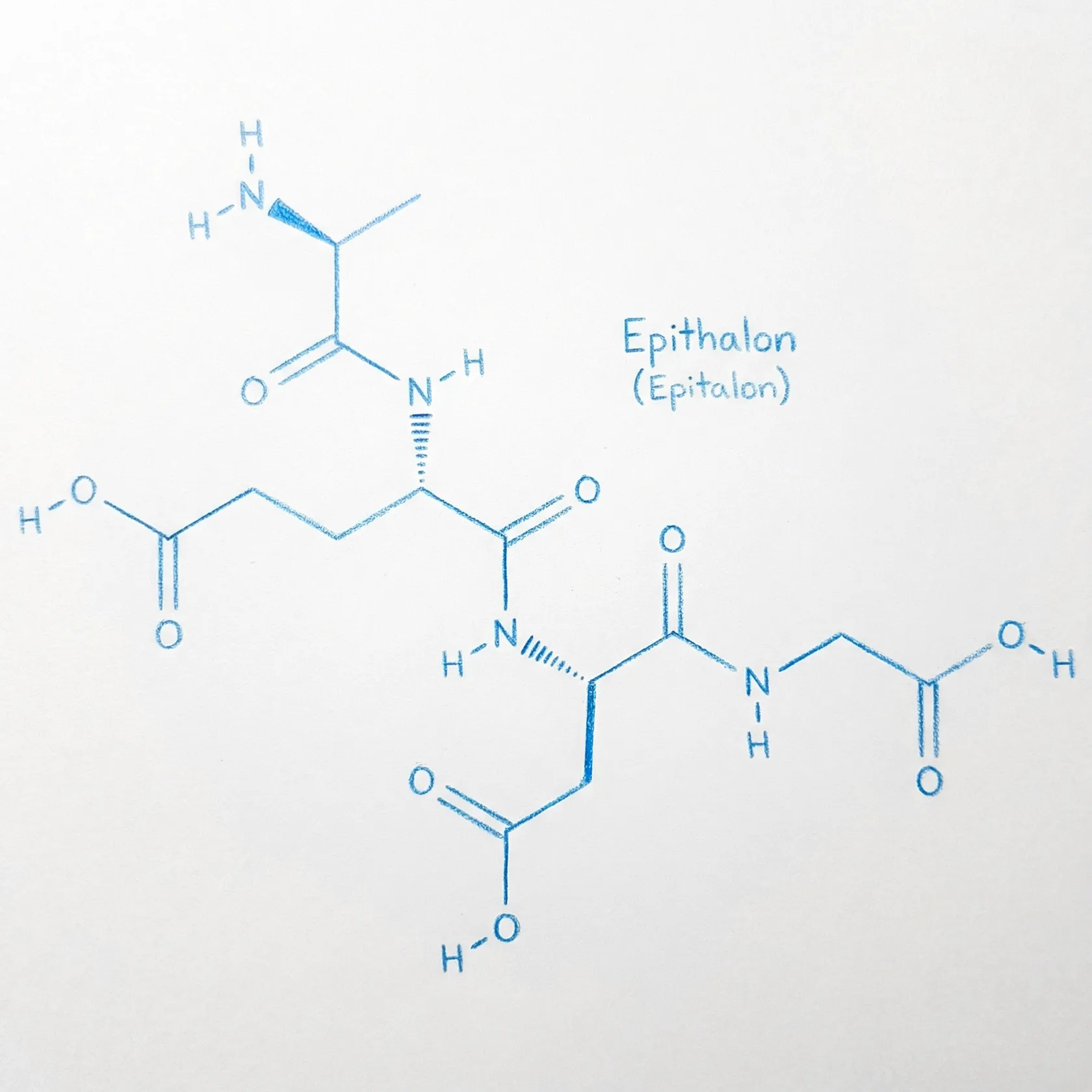
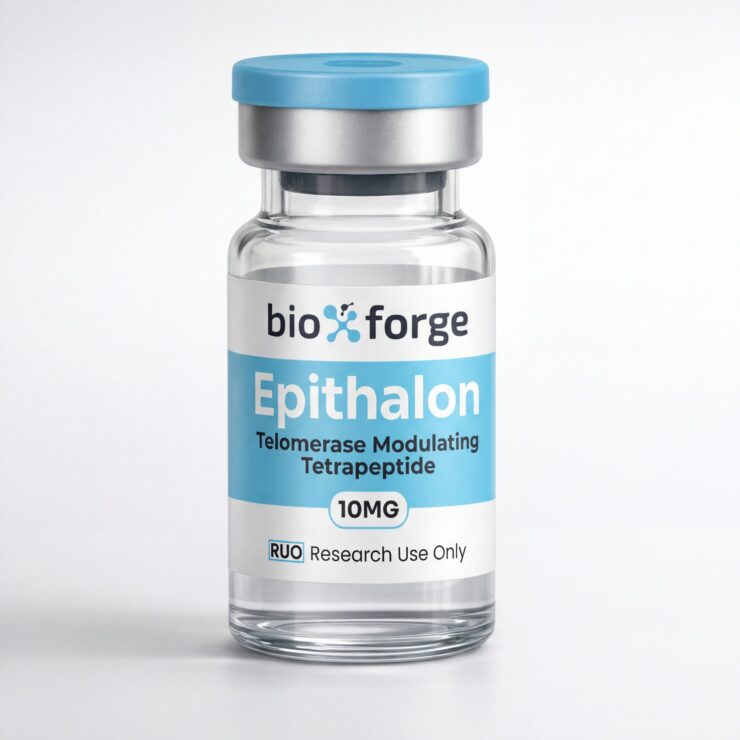
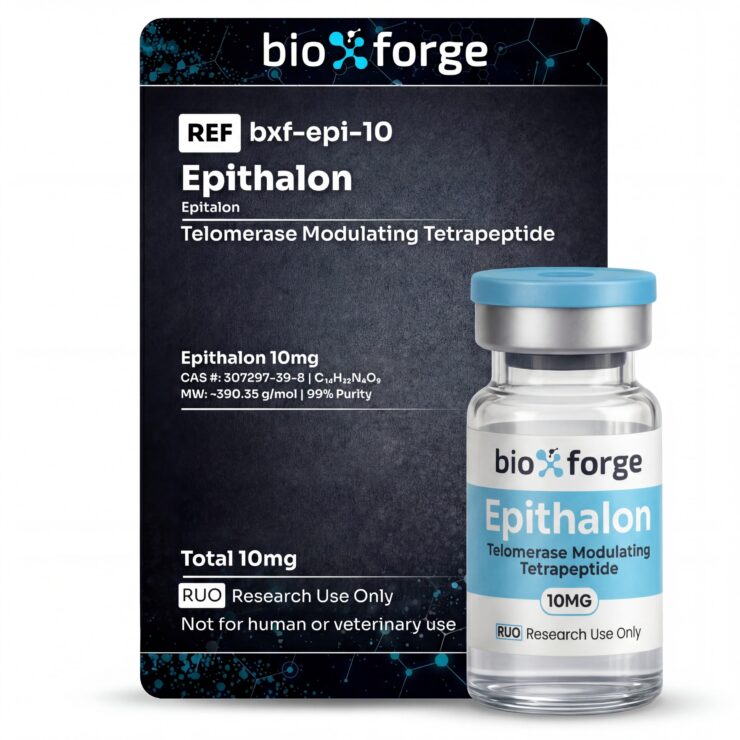
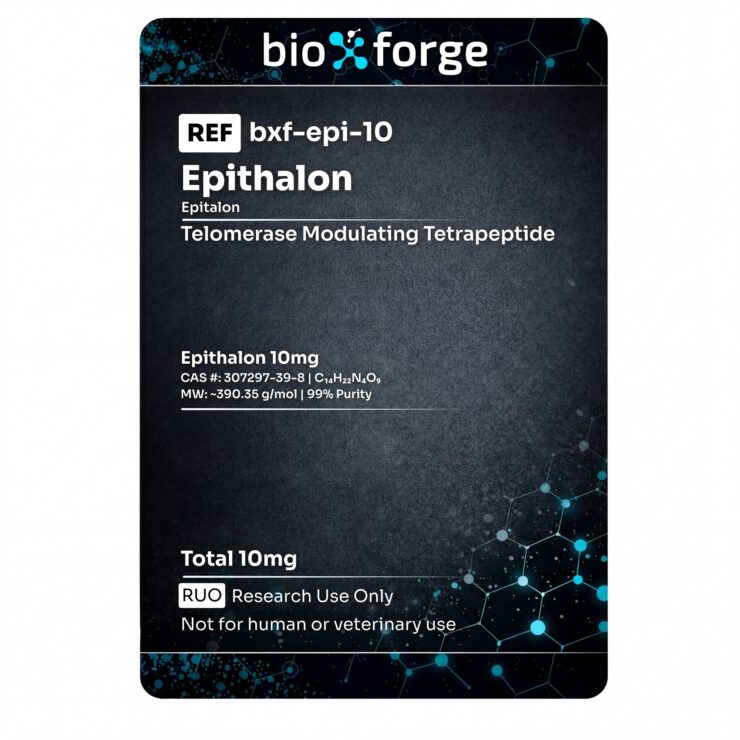

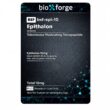
Epithalon (also known as Epitalon) is a synthetic tetrapeptide composed of the amino acid sequence Ala-Glu-Asp-Gly (AEDG). It was originally developed as an analog of a naturally occurring peptide isolated from pineal gland extracts. In laboratory research settings, Epithalon is classified as a short regulatory peptide and is primarily utilized to investigate cellular aging mechanisms, telomere biology, and gene expression modulation under controlled experimental conditions.
Mechanistically, Epithalon has been examined in preclinical models for its potential influence on telomerase activity and telomere length regulation. Experimental data suggest that it may interact with gene regulatory pathways associated with chromatin structure and transcriptional control, potentially influencing expression of proteins involved in cellular replication and stress response. Unlike growth factors that bind specific membrane receptors, Epithalon’s proposed effects are often studied in the context of intracellular and nuclear signaling modulation.
In vitro research applications commonly include evaluation of telomerase enzyme expression, cell cycle dynamics, oxidative stress markers, and apoptosis-related gene transcription. Investigators may use Epithalon in cell culture systems to explore replicative lifespan parameters, DNA stability indicators, and molecular markers associated with cellular senescence. Its small size and defined amino acid composition allow for reproducible synthesis and consistent laboratory dosing protocols.
Overall, Epithalon is regarded as a research-grade synthetic tetrapeptide used to probe mechanisms related to telomere maintenance and cellular aging pathways. Its simplicity of structure and focus on gene regulatory processes make it a useful compound for controlled laboratory investigations into longevity-associated molecular signaling. It is intended strictly for research use in regulated laboratory environments.