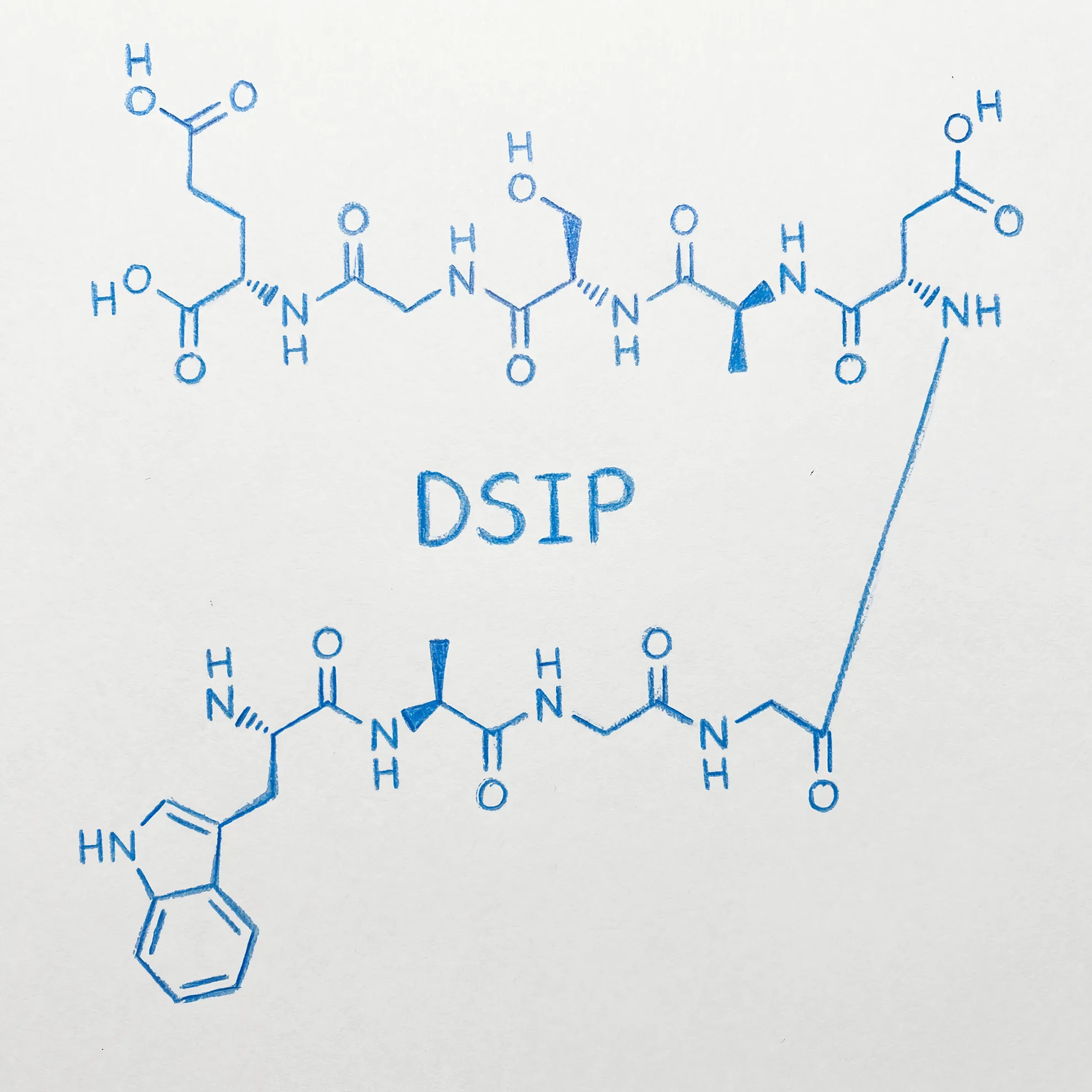
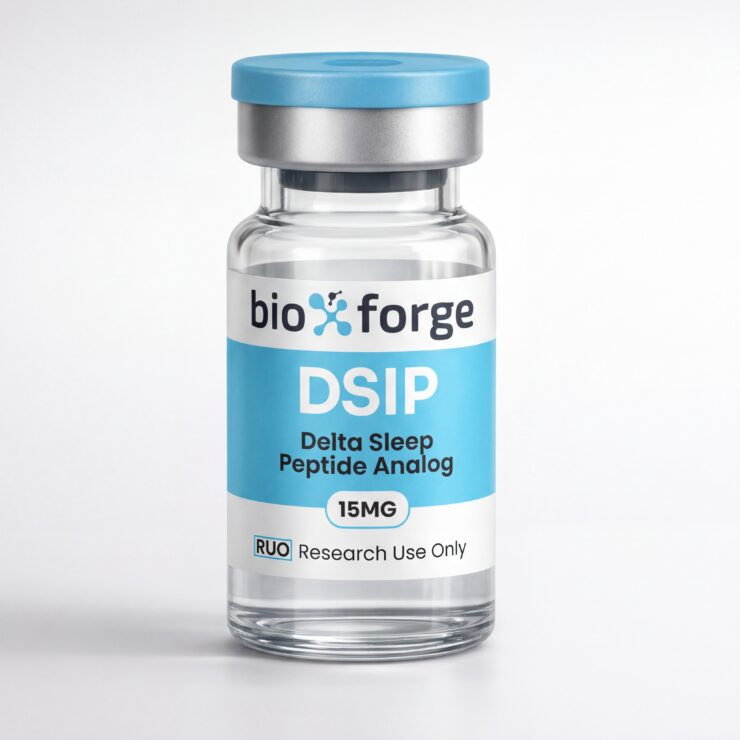
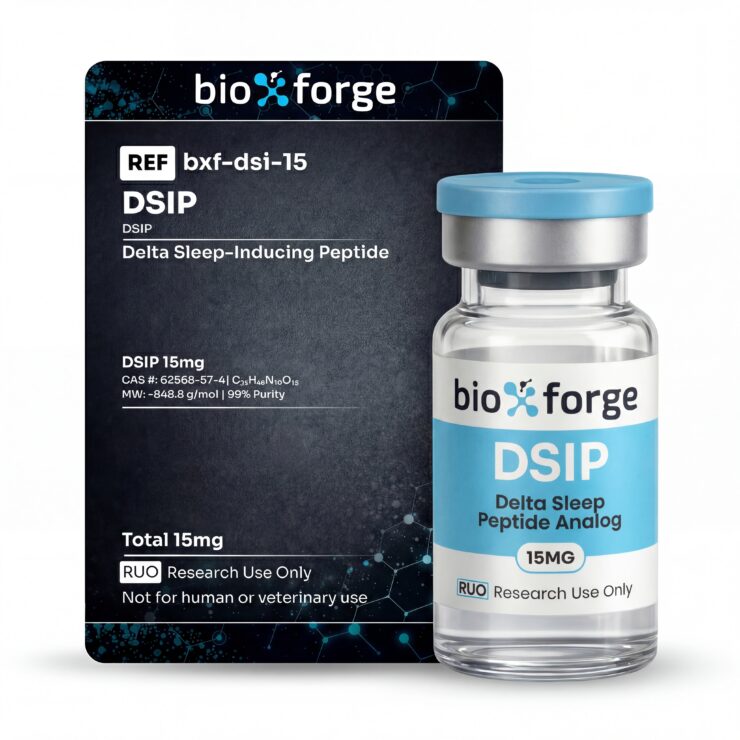
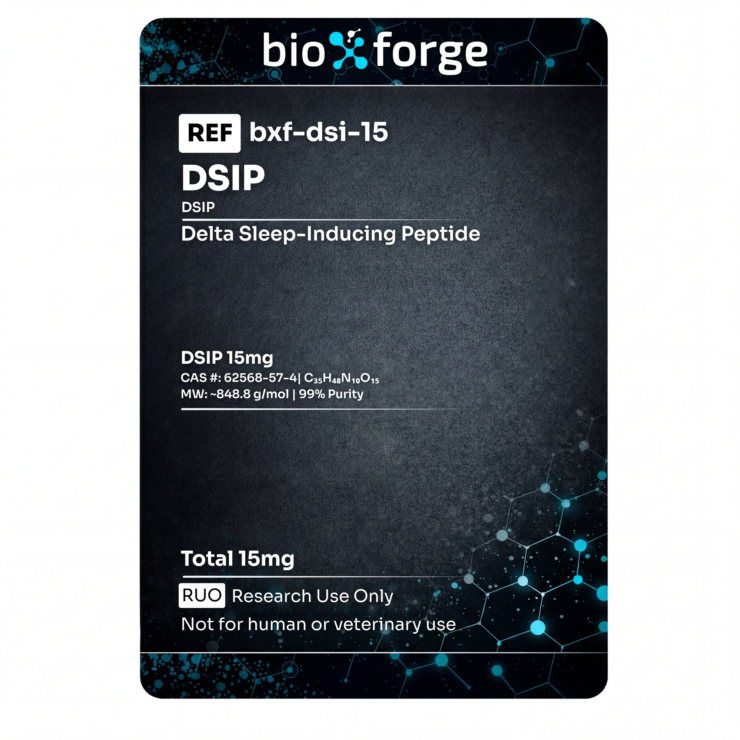

Delta Sleep–Inducing Peptide (DSIP) is a naturally occurring nonapeptide (Trp-Ala-Gly-Gly-Asp-Ala-Ser-Gly-Glu) originally isolated from mammalian brain tissue in studies investigating sleep-associated neuropeptides. In laboratory research, DSIP is categorized as a small regulatory peptide implicated in neuroendocrine modulation and sleep-related physiology. Due to its compact structure and reported central nervous system activity, DSIP has been utilized as a research tool to explore peptide-mediated signaling within hypothalamic and pituitary pathways.
Mechanistically, DSIP has been associated in experimental models with modulation of neuronal excitability and regulation of endocrine rhythms. Although its precise receptor interactions remain incompletely defined, studies suggest it may influence hypothalamic control centers involved in circadian timing and stress-response pathways. Investigations have also examined its potential interactions with corticotropin-releasing hormone (CRH), growth hormone secretion patterns, and other neuroendocrine mediators, making it of interest in research focused on regulatory feedback loops within the central nervous system.
In vitro and preclinical research applications, DSIP is commonly evaluated for its effects on electrophysiological activity, hormone secretion patterns, and stress-related biomarkers. Its small molecular size allows for ease of synthesis and controlled administration in experimental models. Researchers may employ DSIP in studies examining peptide stability, blood–brain barrier permeability, and peptide–protein interaction dynamics within neural tissue systems.
Overall, DSIP is regarded as a research-grade neuroregulatory peptide used to probe mechanisms of sleep-associated signaling and neuroendocrine modulation. While its full biological role remains an area of active investigation, it provides a useful model compound for studying small peptide influence on central nervous system regulatory networks. DSIP is intended strictly for controlled laboratory research use.